The DAM Problem Nobody Talks About: Why Video Asset Management Is Still Broken
Photo DAMs proliferated because stills are easy. Video is frames × audio × timecode × multiple resolutions. This is why existing DAM tools fail for video-first workflows.

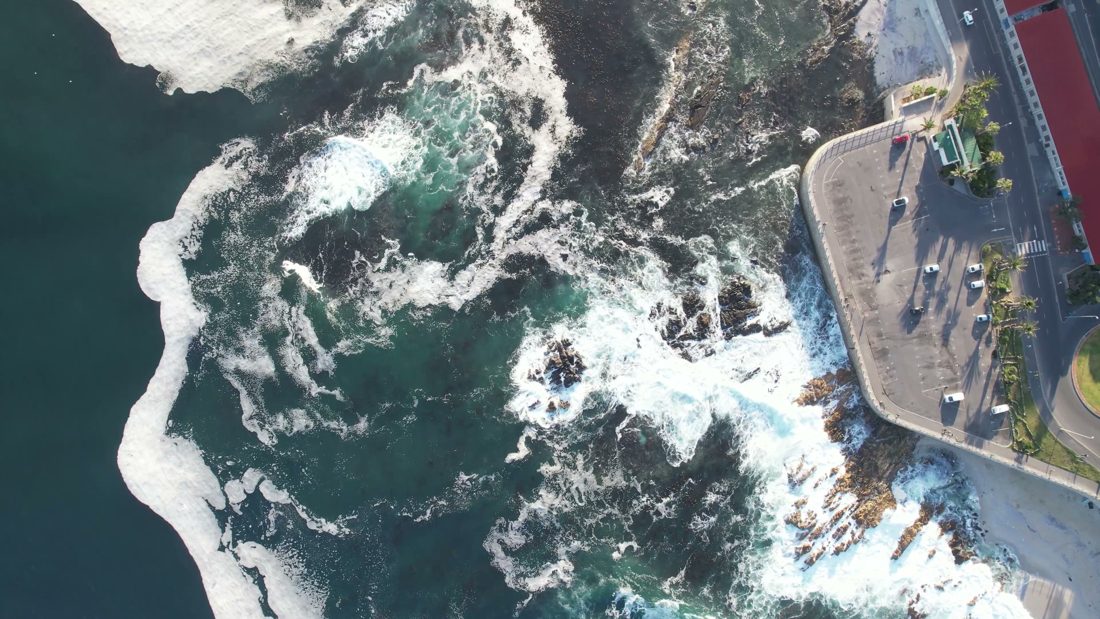
The photo vs. video gap
Digital Asset Management started with photos. A photo is one image. One filename. One moment. A video clip is not one unit. It's hundreds or thousands of images, plus audio, plus timecode. A 10-minute interview contains 18,000 frames at 30fps. The DAM that treats a video clip as "one file" is a DAM that misses 17,999 shots.
Where existing tools fall short
Cloud MAMs are built for teams and collaboration. Their search is metadata-based: filename, manual tags, basic AI labels. You can't search for "the close-up where she breaks" because the system doesn't know what's in the frames.
Local tools are closer but their search is still keyword and filename-based.
NLE media pools are bounded by the project. They can't find footage from three years ago on a drive in your drawer.
What a video-native DAM needs
1. Per-frame analysis, not per-file analysis · 2. Editorial vocabulary, not generic tags · 3. Audio as searchable context · 4. Location without manual tagging · 5. Device class filtering · 6. Local-first architecture · 7. Single portable catalogue file
How DAAAM approaches this
DAAAM was built from the assumption that video is the primary medium, not an afterthought. Every distinct shot gets an editorial read. Dialogue is fused to picture. Places work across your whole library, all in one local catalogue you own.
DAAAM is available now: $69, one-time. No cloud account. No subscription.